
Crime Involving Foreign Nationals in Japan
Police cleared 25,480 cases involving foreign nationals in 2025, against 47,865 at the 2005 peak. The count rose three years running, while the ratio to the reference population fell by almost half.
Archive
Reporting and analysis based on Japanese-language public records, journalism, court decisions, books, and official statistics. Browse every published investigation in chronological order, or move directly to a subject area below. Each entry shows the scope of its research record so readers can assess the evidence before opening the full article.
Police cleared 25,480 cases involving foreign nationals in 2025, against 47,865 at the 2005 peak. The count rose three years running, while the ratio to the reference population fell by almost half.
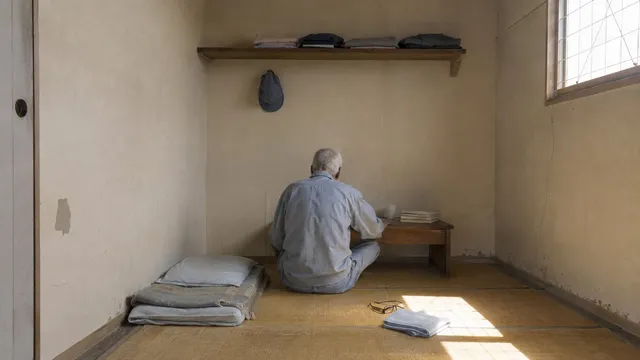
Japan held 5,085 sentenced prisoners aged 65 and over at the end of 2024, down from 5,624 in 2020. A second official table says 2,049. Both are correct, and they answer different questions. What the surveys asked about why, and what they never asked.

The only English-language guide to Japan's crime victim compensation says a decision takes about five months. The median is 5.1 months. The mean is 9.0, and the guide describes the scheme as it stood in 2001.
English-language accounts say almost 70 per cent of Japanese citizens refuse jury duty. The Supreme Court figure counts applications to be excused that a court granted, not refusals.

Japanese police handled 204,562 bodies in 2025 and autopsied 9.9 per cent of them. The rate fell because the caseload grew, not because autopsies did. A 2011 police report proposed 20 per cent.

Yes. The figure English Wikipedia still carries dates from a 2005 report. Japan makes the organisation report its members every three months, 105 times so far; the latest total is about 1,600.
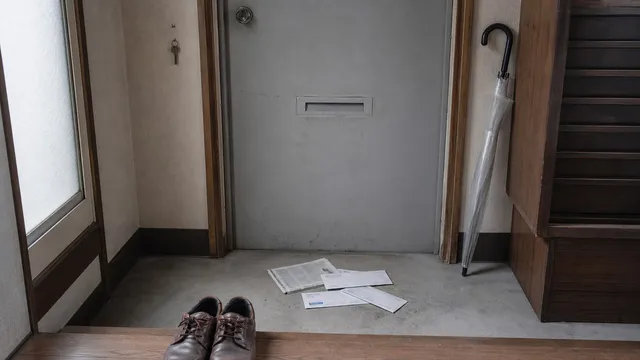
Japan's police counted 76,020 people who died alone at home in 2024. The Cabinet Office then defined the word for the first time and put the figure at 21,856. Four in five were men, and the largest single group was aged 70 to 74.

The English-speaking web says their salaries were 33.7 per cent of Japan's national budget in 1874. The Ministry of Finance's own table puts that year's budget at 62,169,344 yen, which makes the figure 3.7 per cent. The real gap was inside the payroll: a doctor drew 344.9 yen a month, a menial worker 20.1.
Yes. In 2023, 162,761 people were punished by a judge who never saw them, 68.3% of everyone Japan prosecuted. The order requires your written consent, and you have fourteen days to tear it up.

Recorded crime has risen four years running and passed its pre-pandemic level. The growth is almost all fraud, the biggest single method is impersonating a police officer, and the age group reporting it most often is people in their thirties.

In 1872 an imperial edict deleted the rest of the year, called the almanac's fortune-telling baseless nonsense, and abolished the hour. The calendar it installed was not the Gregorian one, and the reason it gave was not the real one.

Japanese police took 82,563 missing person reports in 2024. Half of them were found the same day, the single largest cause is dementia, and the rules tell the officer who finds you not to phone the family that reported you.

Japan built a plea agreement system in 2018. You cannot use it on your own guilt, it is barred for the gravest crimes, and the ministry says the number of deals must stay secret because it is small enough to identify them.
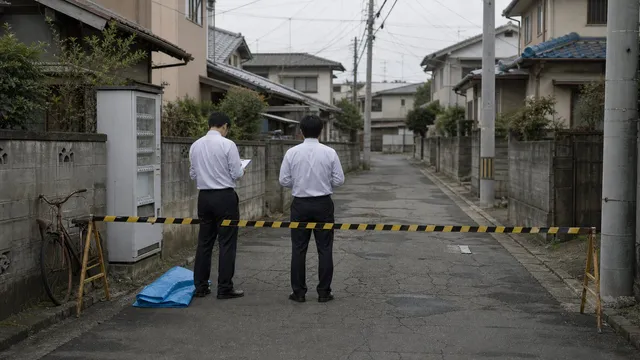
Japan is said to solve 99 percent of its murders. In 2021 the official rate was 101 percent, and the police explain why it can exceed 100. Its most famous killing is not in that figure at all.
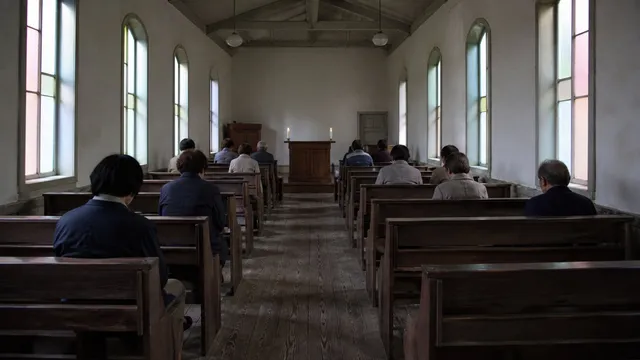
Japan counts 1,872,320 Christians, 1.1 percent. A year earlier the same government counted 1,246,742. The figure moved 50 percent in twelve months, and the ban that produced it did not end until 1873.
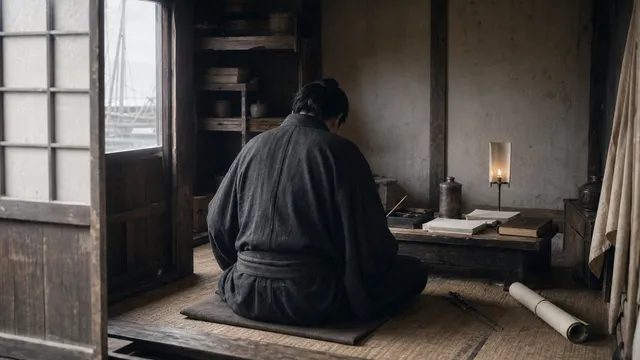
Japan spent 218 years receiving a written world report, delivered once a year by the only Europeans allowed in. In 1852 that report named Perry, his ships and his purpose, a year before he arrived.
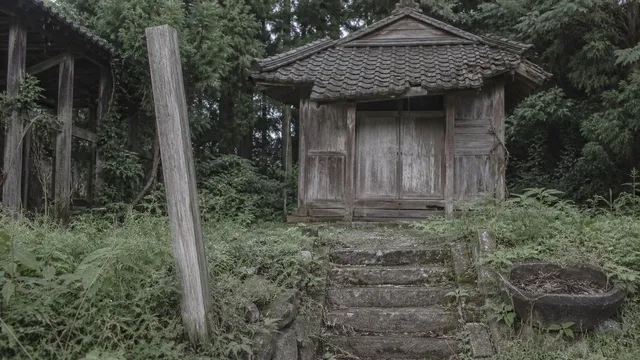
Japanese law has no category for a cult, so nobody counts them. What the state does count is corporations, and three of them have ever been dissolved for wrongdoing. The register, compared.
Japanese law forbids prostitution in one sentence and attaches no penalty to it. What the statute defines, who it punishes, and the half of the law deleted in 2024, from Japanese primary sources.
The official register counts 175 million believers in a country of 124 million people. Ask people directly and 28 percent say they hold a faith. Both figures come from the state, and both are correct.
Japan designates 25. The largest has about 3,100 members, the smallest about 10, and both meet the same legal test, a probability written into the statute itself.

Japan kept the death penalty and changed something else. In July 2026 it barred prosecutors from blocking retrials, after a man waited ten more years for acquittal once a court agreed to reopen his case.

No statute exempts pachinko from Japanese gambling law. The act that licenses it calls the games speculative, caps the payouts, and never explains the cash, traced through Japanese primary sources.

Japan estimates 1.46 million people aged 15 to 64 (one in fifty) live in social withdrawal, and the middle-aged now outnumber the young. How a condition named for teenagers grew old indoors.

No Japanese law bans tattooed customers from hot springs. What operates instead is a 150-year chain: a punishment the state once inked on criminals, a syndicate that adopted the mark, and a film industry that mass-produced the image.
In 2015 the largest crime syndicate in Japan broke in two. The war that followed produced over 100 incidents, a new legal designation, and a surrender letter, but not the ending the law requires.

The little finger goes first, and Japanese law names the practice in statute. Why yubitsume starts with the pinky, whether it still happens, and how a missing finger now blocks the way out.
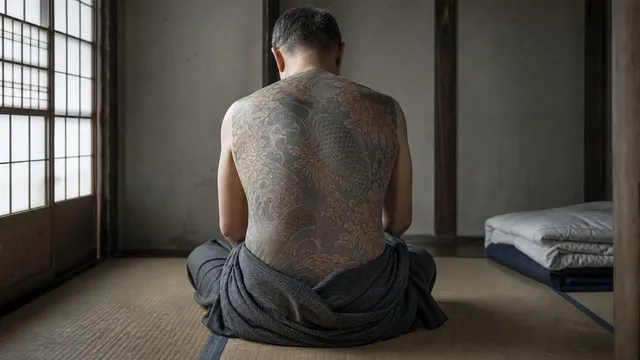
Police counted 9,400 full members at the end of 2025, down from 91,000 when the law was passed. The crime moved into groups the state now calls anonymous and fluid, from Japanese primary sources.
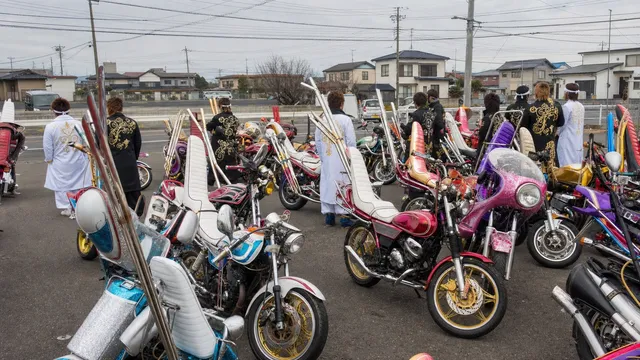
Do bosozoku still exist? Police statistics say yes, membership has held steady since 2019, and 77 percent now ride alone. What ended was the hierarchy, not the gangs.

The founder of Aum Shinrikyo was hanged in 2018. Two accounts of that morning contradict each other, and Japan has never released a record that could settle it, from Japanese primary sources.
Japan dissolved a religious organization without any criminal conviction. What the courts found, what dissolution actually takes away, and why it took 50 years, from Japanese primary sources.

A homemade gun, twenty-five seconds, and four bodyguards who did not recognize the sound. What Japan's own investigation found, from Japanese primary sources.
Japan has no legal category for a cult, so the label settles nothing. What Soka Gakkai is, why its parent sect expelled it in 1991, and why its party is in government, from Japanese primary sources.