Belief and authority
How belief and authority shape recruitment and belonging.
Category
Belief, power, recruitment, and the place of new religions in modern Japan.
Japanese law has no category for a cult and keeps no register of dangerous groups. What exists instead is a small set of ordinary legal instruments, used rarely and argued over in public. This section examines how belief becomes organization, how organizations acquire influence, and where the law has actually drawn its lines.
Editorial scope
How belief and authority shape recruitment and belonging.
How religious groups interact with public life and institutions.
How new religions are understood and debated in modern Japan.

Yes. The figure English Wikipedia still carries dates from a 2005 report. Japan makes the organisation report its members every three months, 105 times so far; the latest total is about 1,600.

Japanese law has no category for a cult, so nobody counts them. What the state does count is corporations, and three of them have ever been dissolved for wrongdoing. The register, compared.
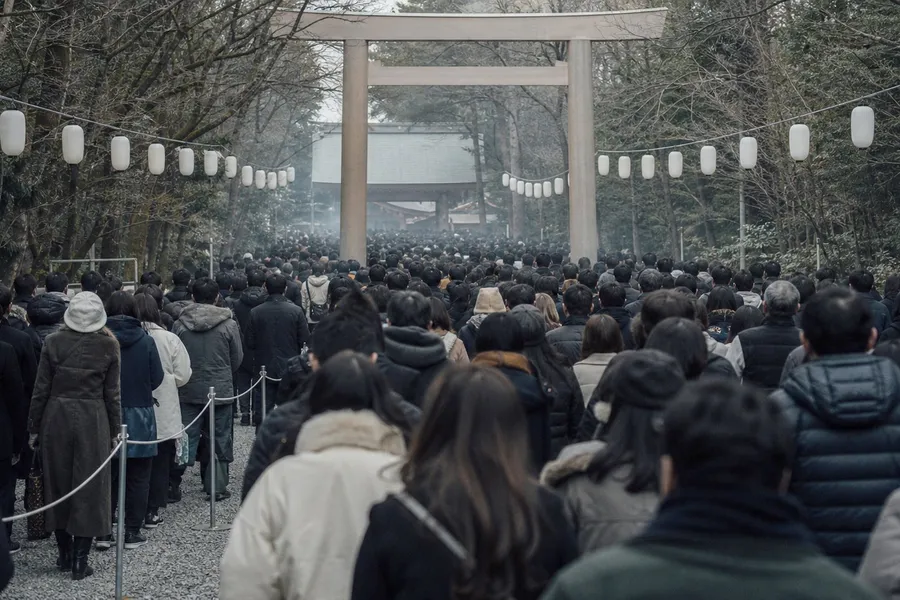
The official register counts 175 million believers in a country of 124 million people. Ask people directly and 28 percent say they hold a faith. Both figures come from the state, and both are correct.

The founder of Aum Shinrikyo was hanged in 2018. Two accounts of that morning contradict each other, and Japan has never released a record that could settle it, from Japanese primary sources.
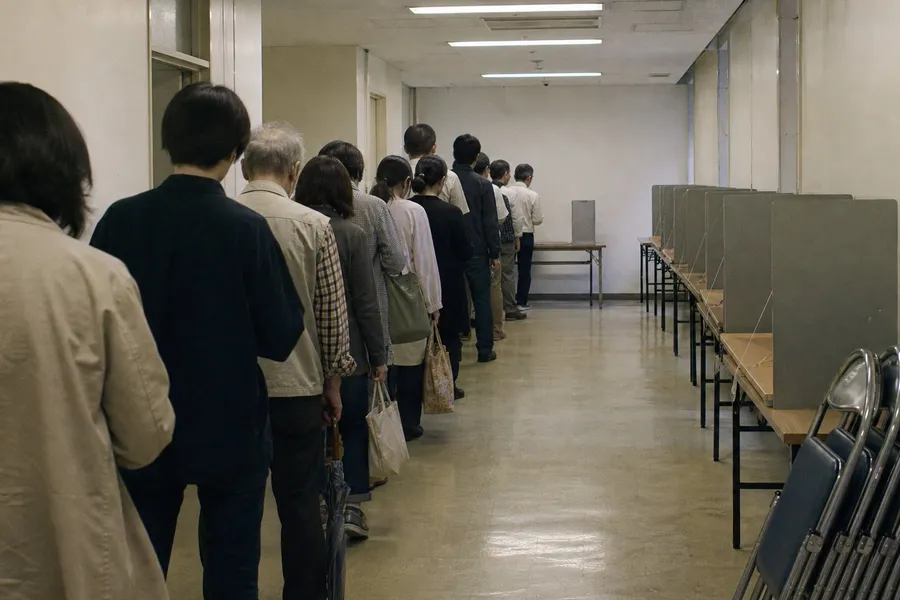
Japan has no legal category for a cult, so the label settles nothing. What Soka Gakkai is, why its parent sect expelled it in 1991, and why its party is in government, from Japanese primary sources.
Organized crime, illicit economies, and the institutions built around them.
Explore this topic →Major criminal cases examined through court records, contemporaneous reporting, and the social conditions that produced them.
Explore this topic →The pressures, exclusions, and demographic changes shaping everyday life.
Explore this topic →Policing, courts, punishment, and the legal debates behind the headlines.
Explore this topic →Contact, hearsay and misunderstanding between Japan and the world beyond it, and what Japanese records show was actually known.
Explore this topic →