The court record
What court records and contemporaneous reporting establish.
Category
Major criminal cases examined through court records, contemporaneous reporting, and the social conditions that produced them.
A criminal case leaves a paper trail: indictments, judgments, official reviews, and the reporting that followed. This section reads those records to explain what happened, what was established in court, and what the case revealed about the conditions around it.
Editorial scope
What court records and contemporaneous reporting establish.
How major cases unfolded and were understood at the time.
What social conditions form the context around each case.
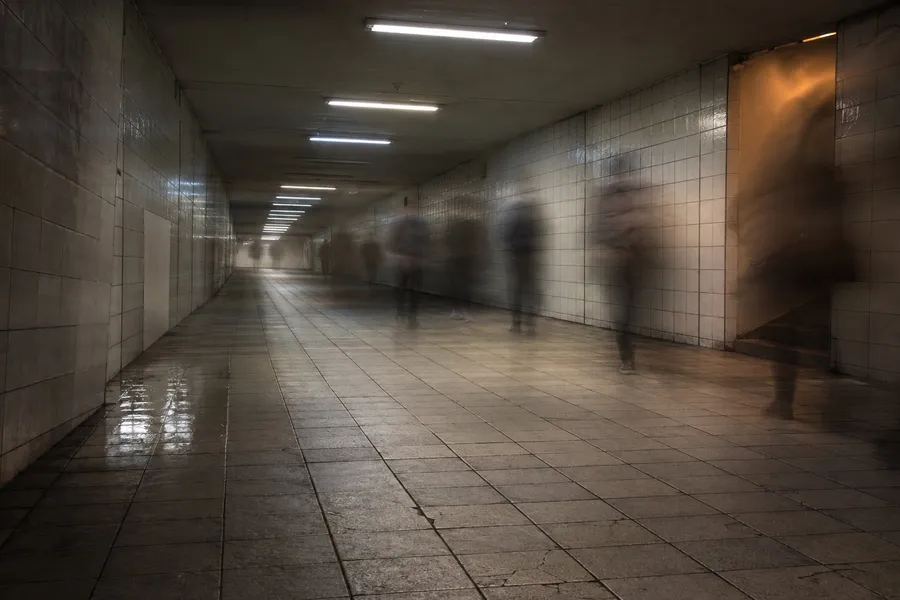
Police cleared 25,480 cases involving foreign nationals in 2025, against 47,865 at the 2005 peak. The count rose three years running, while the ratio to the reference population fell by almost half.
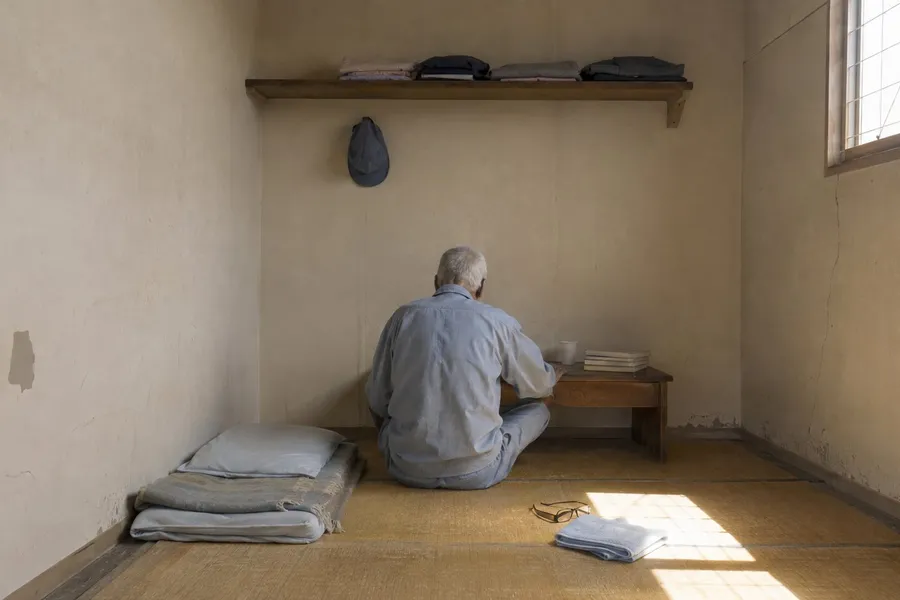
Japan held 5,085 sentenced prisoners aged 65 and over at the end of 2024, down from 5,624 in 2020. A second official table says 2,049. Both are correct, and they answer different questions. What the surveys asked about why, and what they never asked.
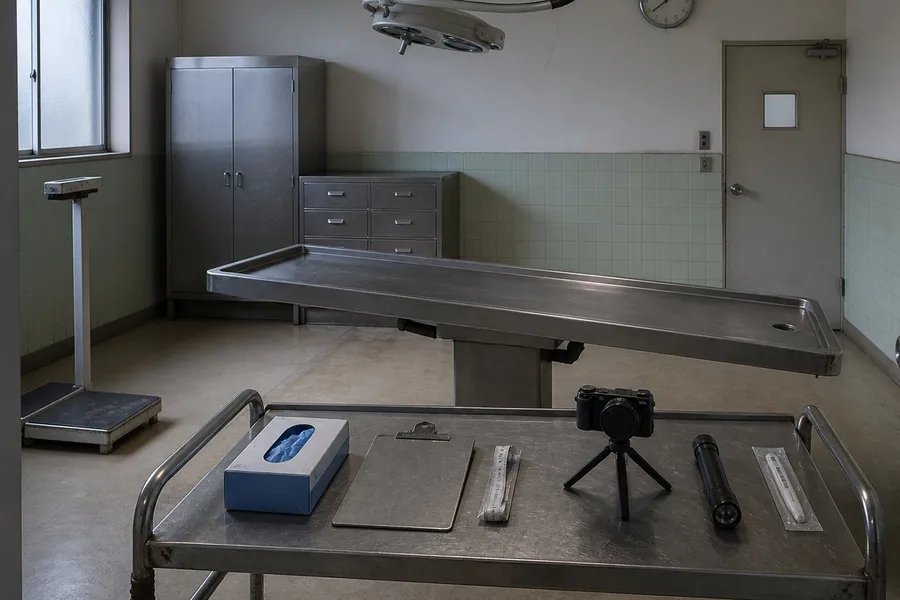
Japanese police handled 204,562 bodies in 2025 and autopsied 9.9 per cent of them. The rate fell because the caseload grew, not because autopsies did. A 2011 police report proposed 20 per cent.
Recorded crime has risen four years running and passed its pre-pandemic level. The growth is almost all fraud, the biggest single method is impersonating a police officer, and the age group reporting it most often is people in their thirties.
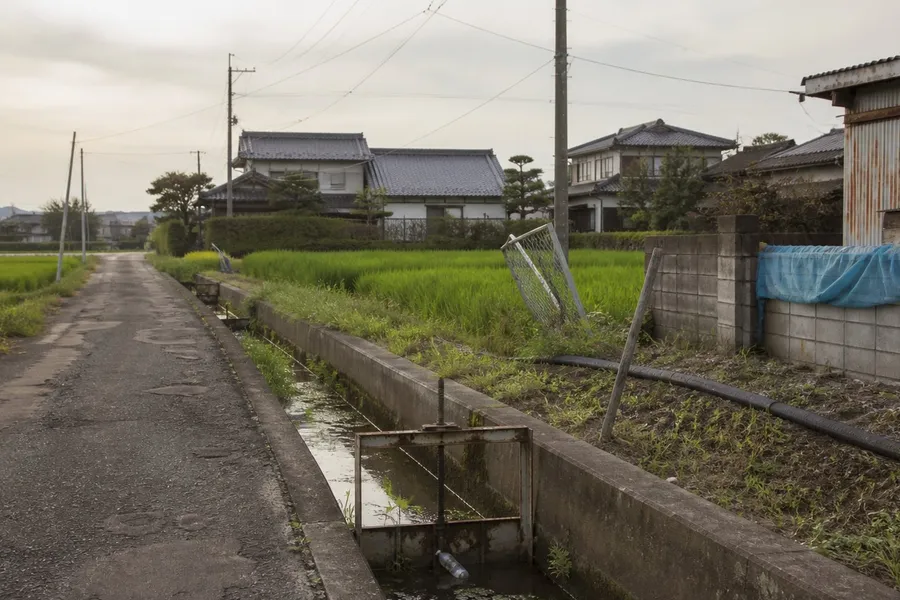
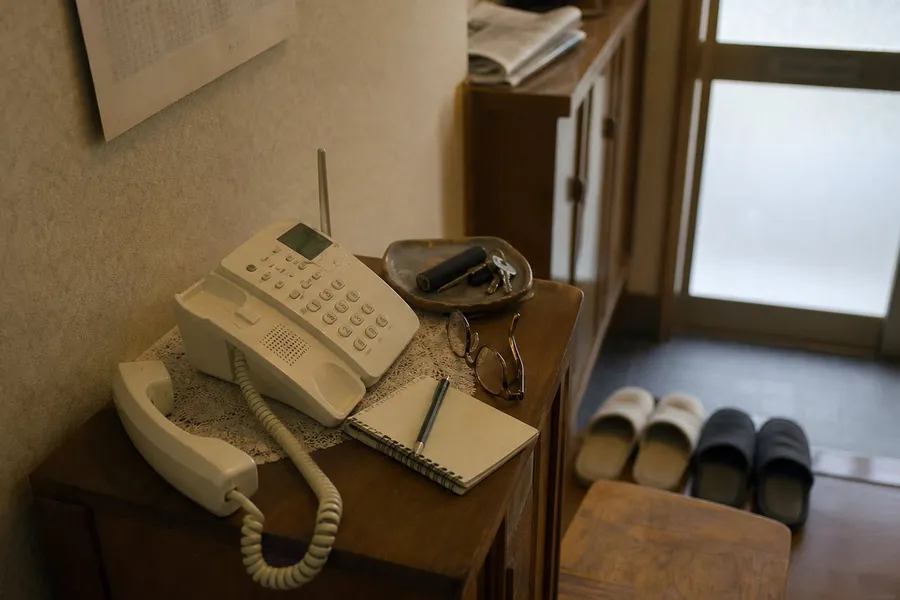
Japanese police took 82,563 missing person reports in 2024. Half of them were found the same day, the single largest cause is dementia, and the rules tell the officer who finds you not to phone the family that reported you.
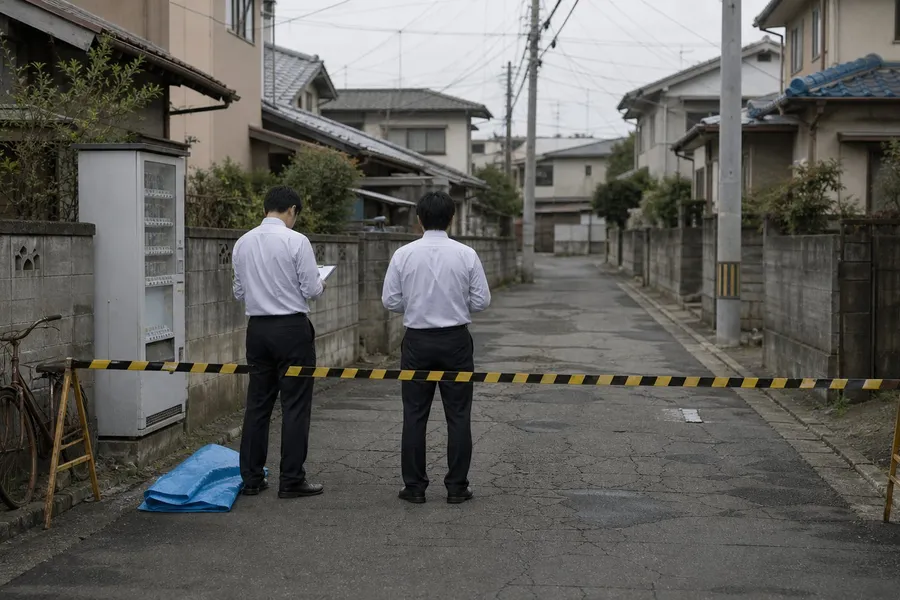
Japan is said to solve 99 percent of its murders. In 2021 the official rate was 101 percent, and the police explain why it can exceed 100. Its most famous killing is not in that figure at all.
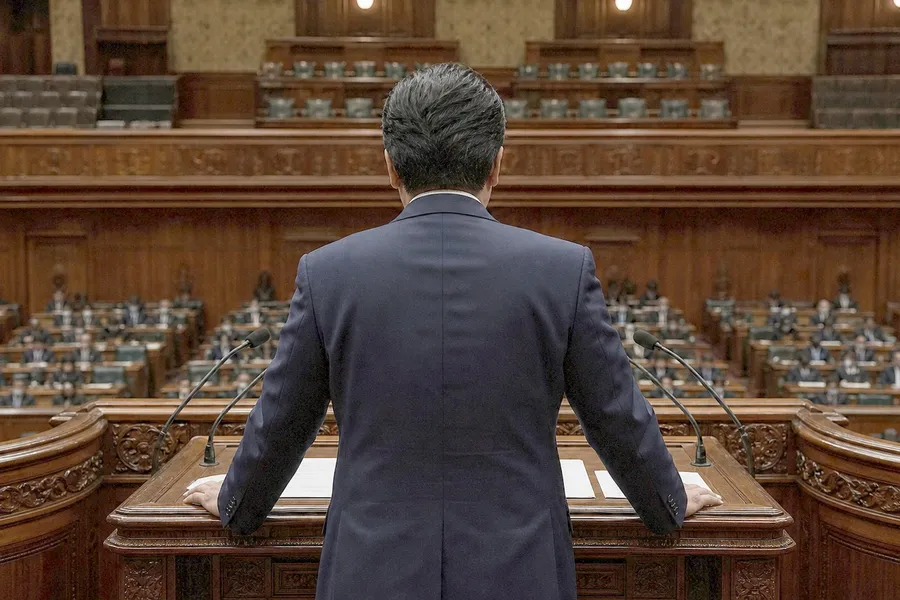
A homemade gun, twenty-five seconds, and four bodyguards who did not recognize the sound. What Japan's own investigation found, from Japanese primary sources.
Belief, power, recruitment, and the place of new religions in modern Japan.
Explore this topic →Organized crime, illicit economies, and the institutions built around them.
Explore this topic →The pressures, exclusions, and demographic changes shaping everyday life.
Explore this topic →Policing, courts, punishment, and the legal debates behind the headlines.
Explore this topic →Contact, hearsay and misunderstanding between Japan and the world beyond it, and what Japanese records show was actually known.
Explore this topic →