Policing and courts
How policing and courts operate in practice.
Category
Policing, courts, punishment, and the legal debates behind the headlines.
Japan's legal system is often described from the outside through a single statistic. This section looks at how policing, prosecution, and punishment operate in practice, what the law actually requires, and which questions remain contested inside Japan.
Editorial scope
How policing and courts operate in practice.
How punishment is argued for, imposed, and reviewed.
How legal debates develop behind public headlines.
The only English-language guide to Japan's crime victim compensation says a decision takes about five months. The median is 5.1 months. The mean is 9.0, and the guide describes the scheme as it stood in 2001.
English-language accounts say almost 70 per cent of Japanese citizens refuse jury duty. The Supreme Court figure counts applications to be excused that a court granted, not refusals.
Yes. In 2023, 162,761 people were punished by a judge who never saw them, 68.3% of everyone Japan prosecuted. The order requires your written consent, and you have fourteen days to tear it up.
Japan built a plea agreement system in 2018. You cannot use it on your own guilt, it is barred for the gravest crimes, and the ministry says the number of deals must stay secret because it is small enough to identify them.
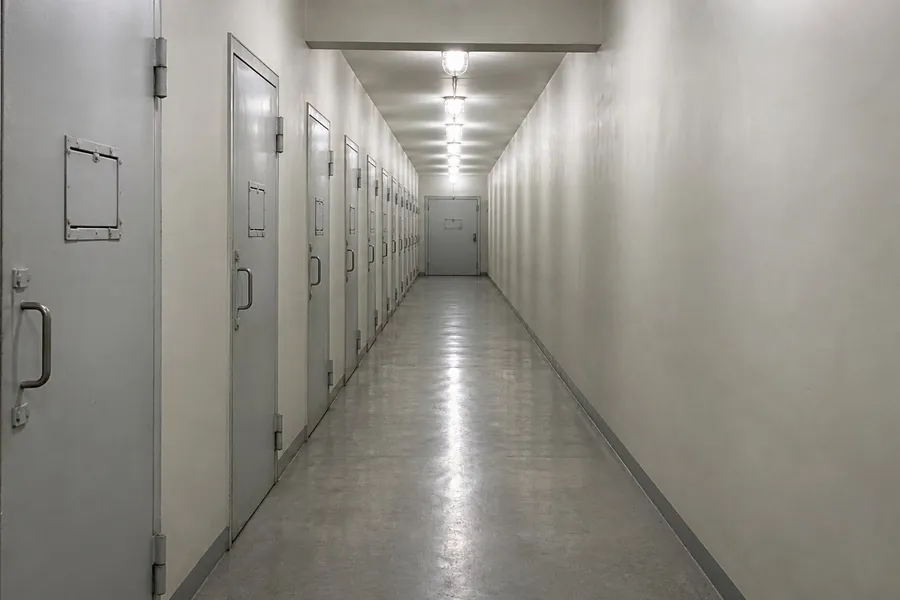
Japan kept the death penalty and changed something else. In July 2026 it barred prosecutors from blocking retrials, after a man waited ten more years for acquittal once a court agreed to reopen his case.
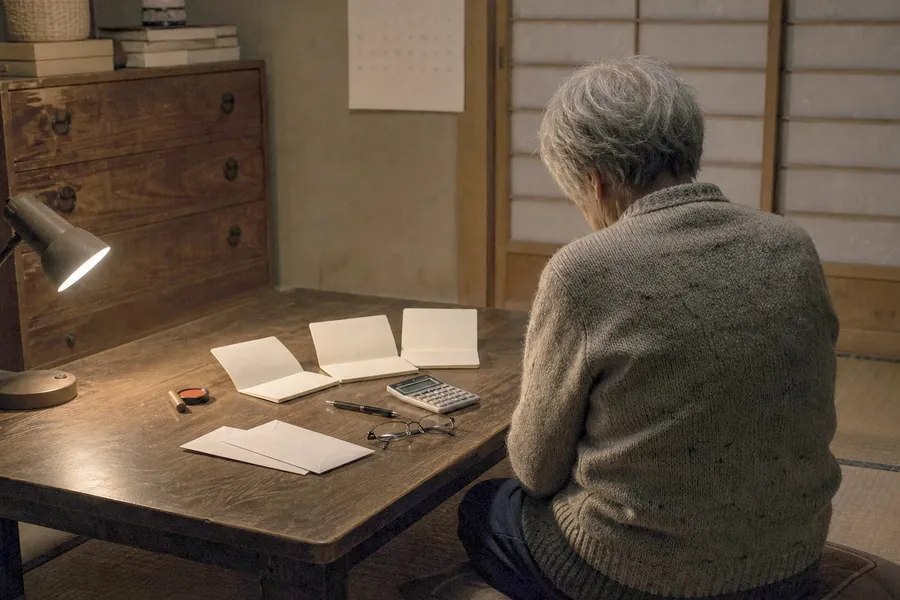
Japan dissolved a religious organization without any criminal conviction. What the courts found, what dissolution actually takes away, and why it took 50 years, from Japanese primary sources.
Belief, power, recruitment, and the place of new religions in modern Japan.
Explore this topic →Organized crime, illicit economies, and the institutions built around them.
Explore this topic →Major criminal cases examined through court records, contemporaneous reporting, and the social conditions that produced them.
Explore this topic →The pressures, exclusions, and demographic changes shaping everyday life.
Explore this topic →Contact, hearsay and misunderstanding between Japan and the world beyond it, and what Japanese records show was actually known.
Explore this topic →