Channels of contact
How information and people actually moved in and out.
Category
Contact, hearsay and misunderstanding between Japan and the world beyond it, and what Japanese records show was actually known.
Japan is often described as having been sealed off from the world, then opened by force. The records kept on the Japanese side tell a more specific story: reports arriving on a fixed schedule, translated by hereditary interpreters, edited by the people who delivered them, and read by a small number of officials. This section follows those channels: what came through them, what was withheld, and what ordinary people were able to see.
Editorial scope
How information and people actually moved in and out.
What Japanese records show was understood at the time.
How reports were filtered, delayed, or deliberately edited.

The English-speaking web says their salaries were 33.7 per cent of Japan's national budget in 1874. The Ministry of Finance's own table puts that year's budget at 62,169,344 yen, which makes the figure 3.7 per cent. The real gap was inside the payroll: a doctor drew 344.9 yen a month, a menial worker 20.1.

In 1872 an imperial edict deleted the rest of the year, called the almanac's fortune-telling baseless nonsense, and abolished the hour. The calendar it installed was not the Gregorian one, and the reason it gave was not the real one.
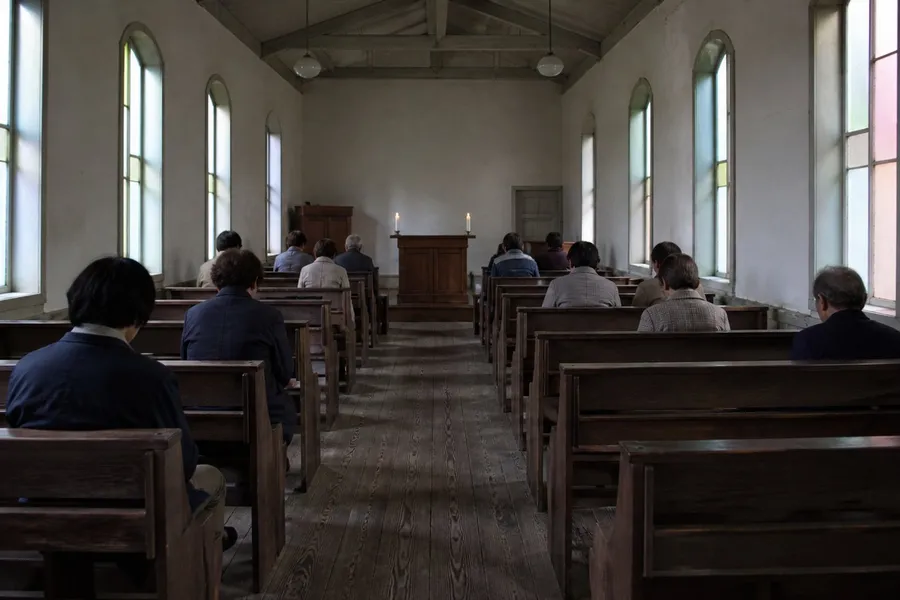
Japan counts 1,872,320 Christians, 1.1 percent. A year earlier the same government counted 1,246,742. The figure moved 50 percent in twelve months, and the ban that produced it did not end until 1873.
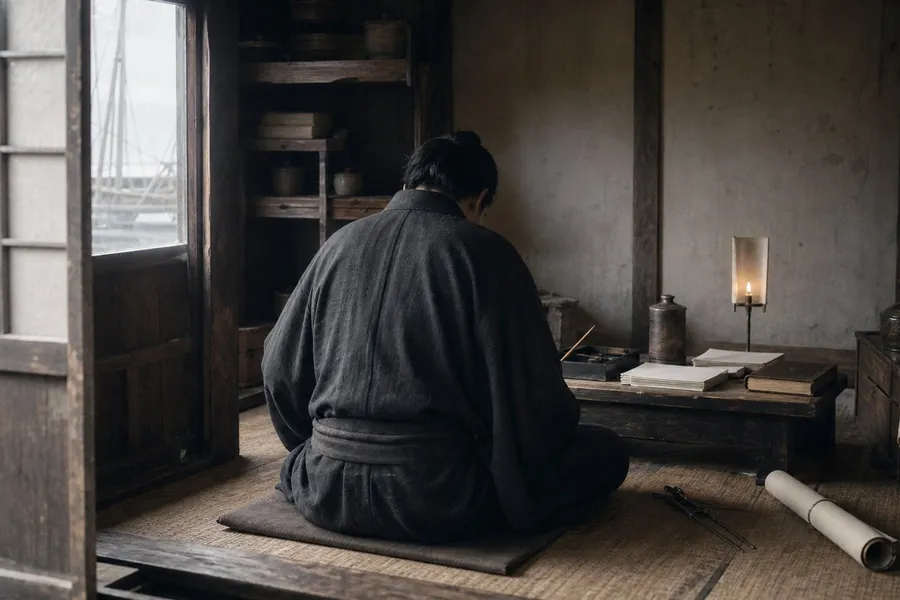
Japan spent 218 years receiving a written world report, delivered once a year by the only Europeans allowed in. In 1852 that report named Perry, his ships and his purpose, a year before he arrived.
Belief, power, recruitment, and the place of new religions in modern Japan.
Explore this topic →Organized crime, illicit economies, and the institutions built around them.
Explore this topic →Major criminal cases examined through court records, contemporaneous reporting, and the social conditions that produced them.
Explore this topic →The pressures, exclusions, and demographic changes shaping everyday life.
Explore this topic →Policing, courts, punishment, and the legal debates behind the headlines.
Explore this topic →