Recorded crime has risen four years running and passed its pre-pandemic level. The growth is almost all fraud, the biggest single method is impersonating a police officer, and the age group reporting it most often is people in their thirties.
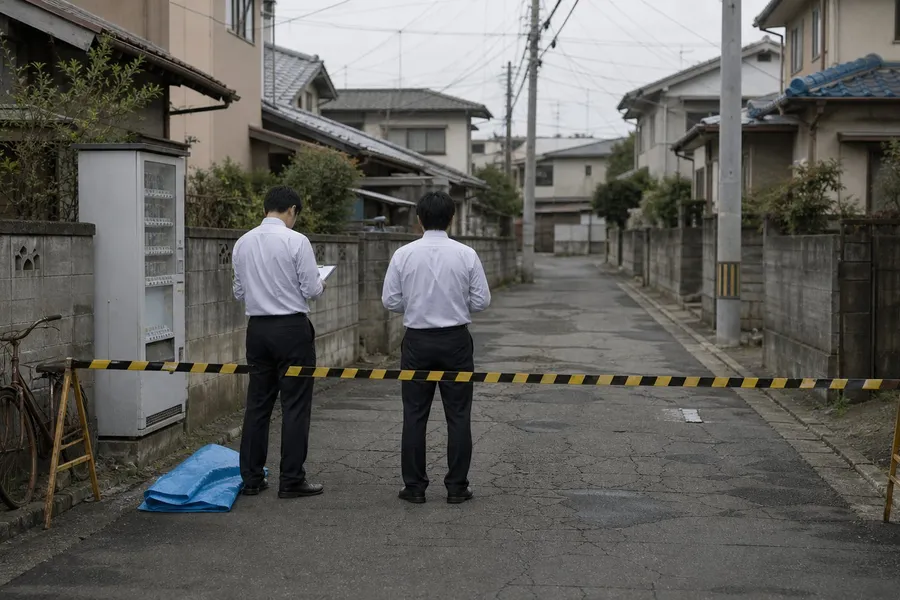
Japan is said to solve 99 percent of its murders. In 2021 the official rate was 101 percent, and the police explain why it can exceed 100. Its most famous killing is not in that figure at all.
Japanese police took 82,563 missing person reports in 2024. Half of them were found the same day, the single largest cause is dementia, and the rules tell the officer who finds you not to phone the family that reported you.
Japan estimates 1.46 million people aged 15 to 64 (one in fifty) live in social withdrawal, and the middle-aged now outnumber the young. How a condition named for teenagers grew old indoors.
The English-speaking web says their salaries were 33.7 per cent of Japan's national budget in 1874. The Ministry of Finance's own table puts that year's budget at 62,169,344 yen, which makes the figure 3.7 per cent. The real gap was inside the payroll: a doctor drew 344.9 yen a month, a menial worker 20.1.
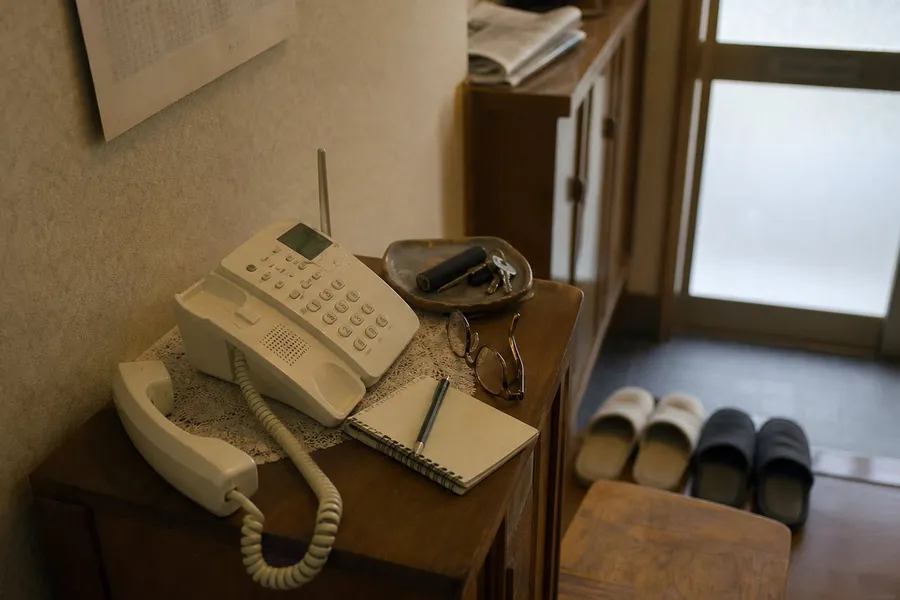
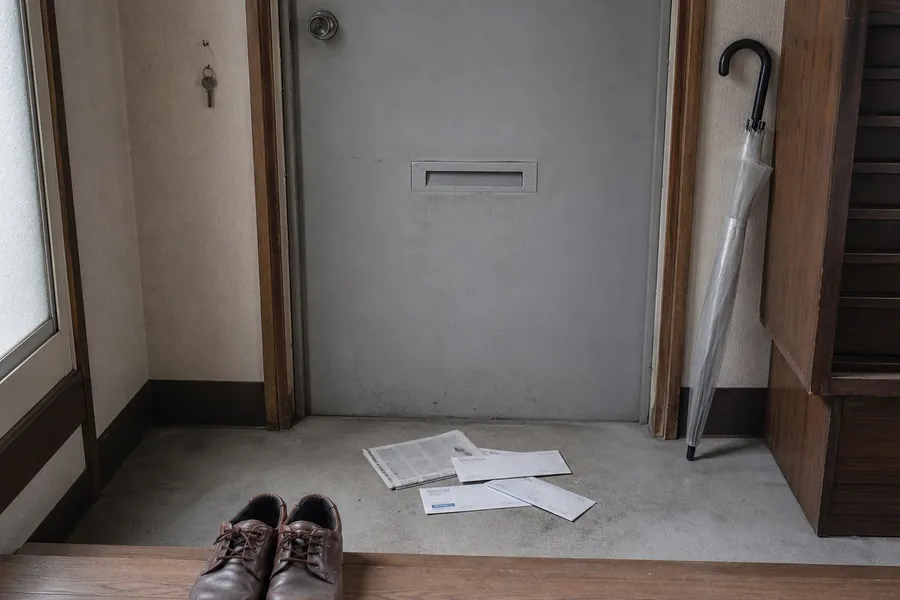
Japan's police counted 76,020 people who died alone at home in 2024. The Cabinet Office then defined the word for the first time and put the figure at 21,856. Four in five were men, and the largest single group was aged 70 to 74.
Yes. The figure English Wikipedia still carries dates from a 2005 report. Japan makes the organisation report its members every three months, 105 times so far; the latest total is about 1,600.
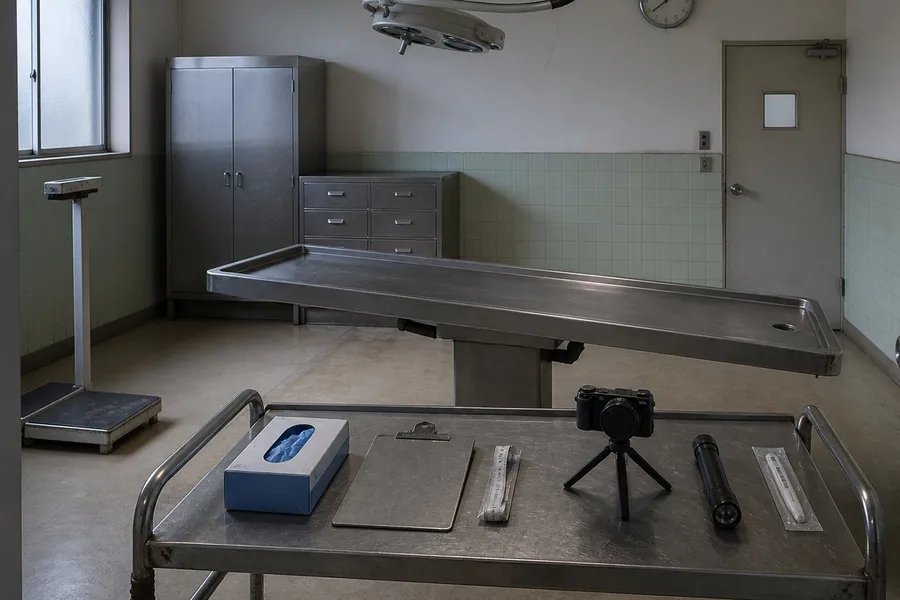
Japanese police handled 204,562 bodies in 2025 and autopsied 9.9 per cent of them. The rate fell because the caseload grew, not because autopsies did. A 2011 police report proposed 20 per cent.
English-language accounts say almost 70 per cent of Japanese citizens refuse jury duty. The Supreme Court figure counts applications to be excused that a court granted, not refusals.
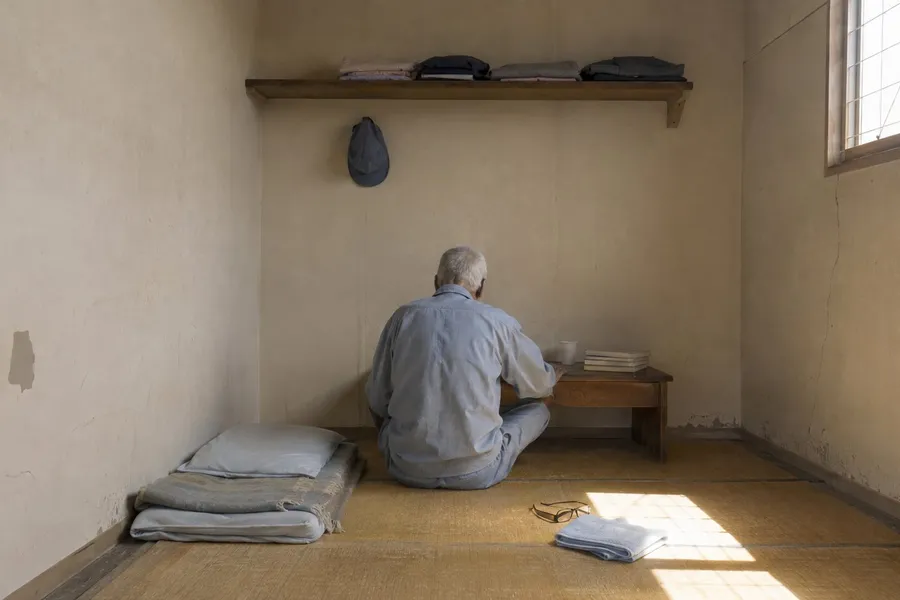
Japan held 5,085 sentenced prisoners aged 65 and over at the end of 2024, down from 5,624 in 2020. A second official table says 2,049. Both are correct, and they answer different questions. What the surveys asked about why, and what they never asked.