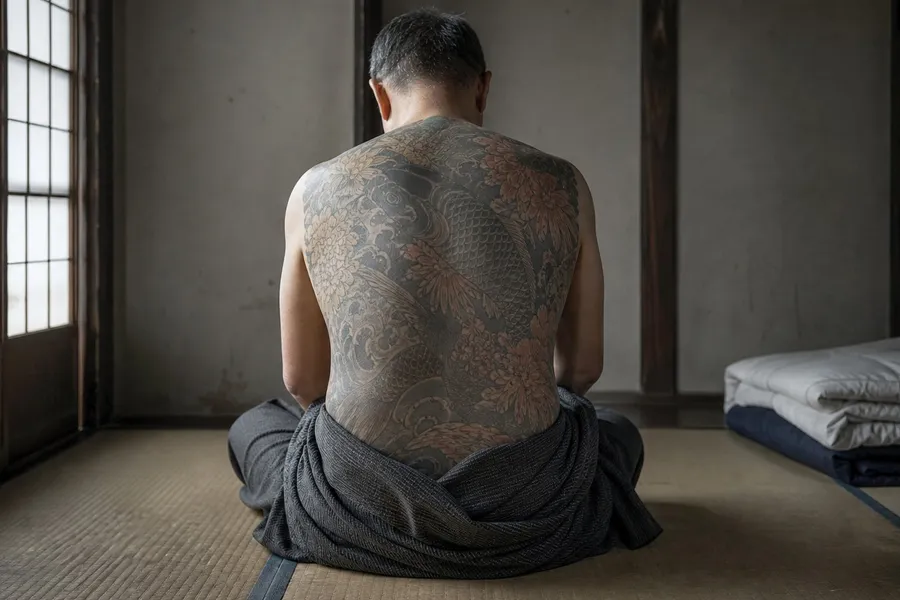
Is the Yakuza Dying?
Police counted 9,400 full members at the end of 2025, down from 91,000 when the law was passed. The crime moved into groups the state now calls anonymous and fluid, from Japanese primary sources.
Behind Japan Files
Japan never banned its largest crime syndicates. What happens to an organization the state will not outlaw, and to the people it will not release?
Part 1
Police counted 9,400 full members at the end of 2025, down from 91,000 when the law was passed. The crime moved into groups the state now calls anonymous and fluid, from Japanese primary sources.
Part 2
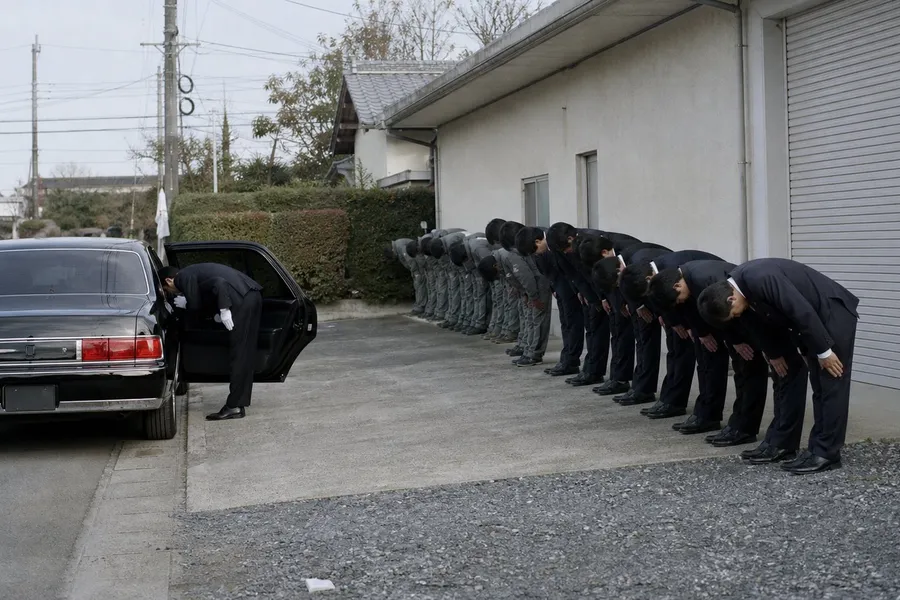
Japan designates 25. The largest has about 3,100 members, the smallest about 10, and both meet the same legal test, a probability written into the statute itself.
Part 3
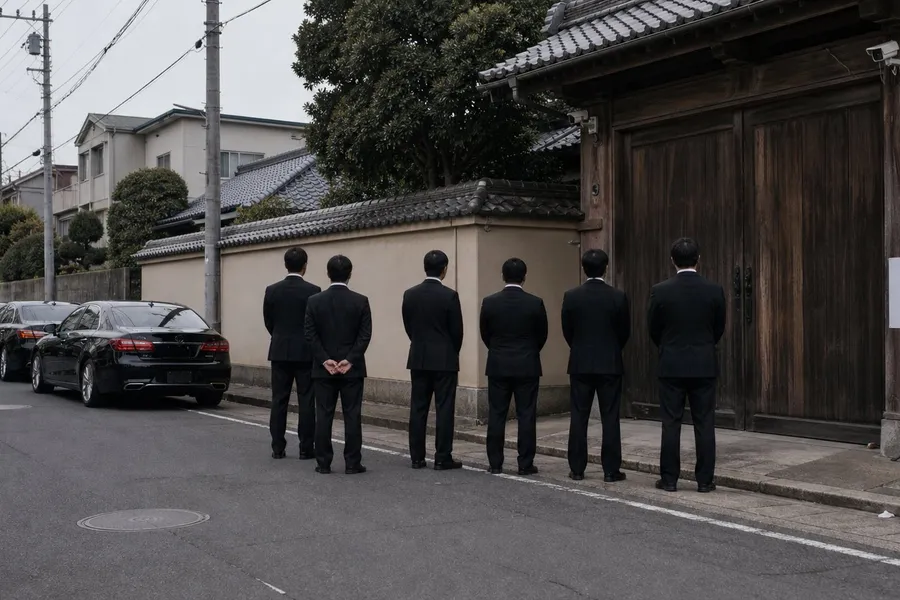
In 2015 the largest crime syndicate in Japan broke in two. The war that followed produced over 100 incidents, a new legal designation, and a surrender letter, but not the ending the law requires.
Part 4

The little finger goes first, and Japanese law names the practice in statute. Why yubitsume starts with the pinky, whether it still happens, and how a missing finger now blocks the way out.
Part 5
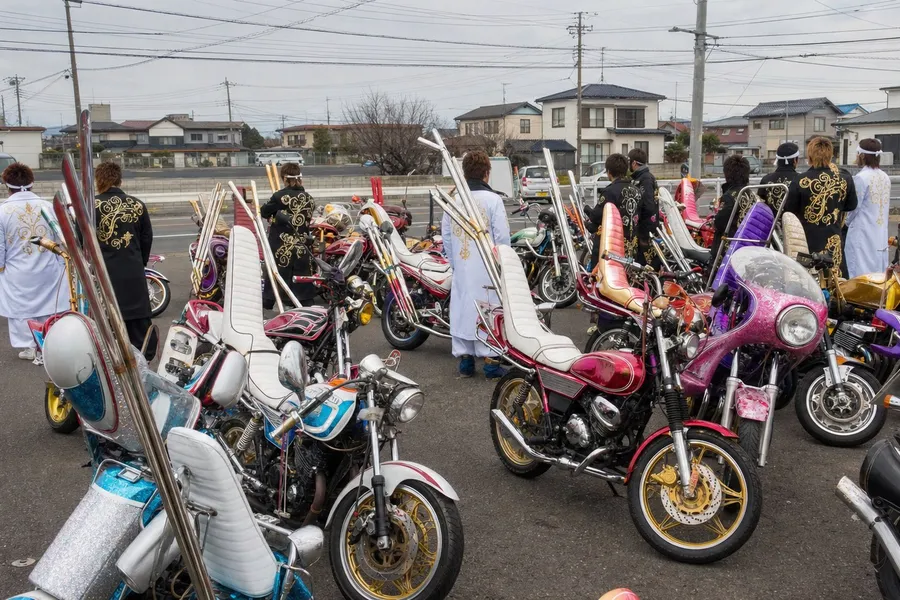
Do bosozoku still exist? Police statistics say yes, membership has held steady since 2019, and 77 percent now ride alone. What ended was the hierarchy, not the gangs.
Part 6

No Japanese law bans tattooed customers from hot springs. What operates instead is a 150-year chain: a punishment the state once inked on criminals, a syndicate that adopted the mark, and a film industry that mass-produced the image.